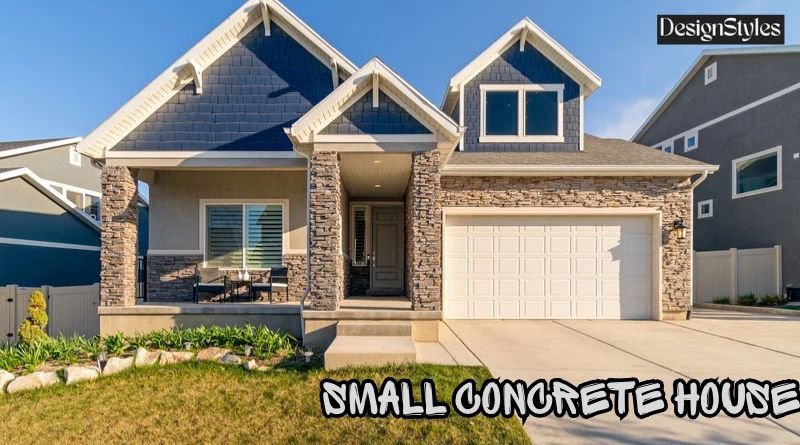
Introduction to a Small Concrete House
A small concrete house is an excellent option for people who want a comfortable, durable, and practical home without building a large property. With thoughtful planning, even a limited space can provide everything a family needs, including a welcoming living room, a functional kitchen, comfortable bedrooms, and a modern bathroom. Concrete construction is widely appreciated for its strength, versatility, and ability to support different architectural styles. Whether you prefer a simple traditional design or a contemporary home with clean lines, a compact concrete structure can offer an attractive balance between affordability and everyday comfort.
Why Choose a Small Concrete House?
One of the main reasons homeowners choose concrete construction is its long-term durability. Concrete walls can withstand many common environmental challenges when they are properly designed, reinforced, and maintained. This makes them a practical choice for people who want a home that can serve their family for many years.
Another advantage is design flexibility. Concrete can be used to create flat roofs, simple geometric shapes, open living areas, and attractive exterior finishes. Homeowners can also combine concrete with wood, glass, stone, or metal to create a distinctive appearance. Instead of focusing on the size of the property, the goal is to make every part of the house useful, comfortable, and visually appealing.
Strength and Long-Term Value
A well-constructed concrete home can provide reliable structural performance when suitable materials, reinforcement, and building techniques are used. Its durability may reduce the need for certain repairs over time, although regular inspections and maintenance remain important. The actual lifespan and performance depend on construction quality, weather exposure, drainage, and the condition of the structure.
Energy Efficiency and Indoor Comfort
Concrete has thermal mass, which means it can absorb and release heat gradually. In suitable climates, this characteristic may help moderate indoor temperature changes. However, concrete alone does not guarantee an energy-efficient home. Proper insulation, ventilation, shading, and well-sealed windows are essential for maintaining comfortable indoor conditions throughout the year.
Smart Design Ideas for a Small Concrete House
Designing a compact home requires careful consideration of how people move through each room. An open-plan living and dining area can make the interior feel larger, while large windows can introduce natural light and improve the connection between indoor and outdoor spaces. Built-in cupboards, wall-mounted shelves, and furniture with storage compartments can also reduce clutter without sacrificing functionality.
A simple rectangular layout is often practical because it can reduce construction complexity. Placing the kitchen and bathroom near each other may help simplify plumbing arrangements, while grouping bedrooms in a quieter section can improve privacy. If outdoor space is available, a small courtyard, covered entrance, or rooftop seating area can provide additional room for relaxation.
Choosing Materials and Finishes
The exterior finish plays an important role in the home’s overall appearance. Smooth concrete surfaces create a modern aesthetic, while textured plaster, natural stone accents, and wooden details introduce warmth. Neutral shades such as white, beige, and gray can make a compact property appear clean and spacious.
Inside the house, durable flooring, moisture-resistant bathroom finishes, and easy-to-clean kitchen surfaces are sensible choices. Selecting materials according to local weather conditions and maintenance requirements can help preserve the appearance of the property over time.
Understanding Construction Costs and Planning
The cost of building a small home depends on several factors, including location, labor rates, foundation requirements, material prices, design complexity, and finishing quality. A straightforward design with standard windows and locally available materials may be less expensive than a custom structure with elaborate architectural features.
Before construction begins, establish a realistic budget that includes architectural drawings, structural engineering, permits, plumbing, electrical work, insulation, and interior finishes. It is also wise to reserve additional funds for unexpected expenses. A qualified local professional can assess the site, determine the appropriate foundation, and ensure the design meets applicable building regulations.
Conclusion
A small concrete house can be a practical investment for homeowners who value durability, efficient space planning, and modern design. Its success depends on more than the choice of concrete alone. A comfortable layout, suitable insulation, quality workmanship, and careful budgeting all contribute to a better living environment. By prioritizing essential features and avoiding unnecessary complexity, homeowners can create a compact property that feels spacious, functions efficiently, and meets their needs for years to come.