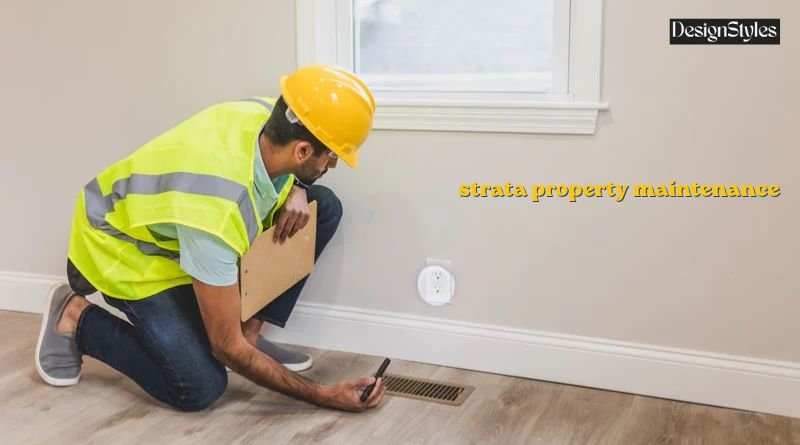
Living in a strata property comes with many advantages, including shared facilities, professional management, and a sense of community. However, maintaining a strata building requires consistent planning and cooperation from owners, residents, and property managers. Strata property maintenance plays an important role in protecting the building’s appearance, safety, functionality, and long-term value. From common hallways and gardens to roofing systems and plumbing, every part of a shared property needs regular attention to remain in good condition.
Why Strata Property Maintenance Matters
A well-maintained strata property provides residents with a cleaner, safer, and more comfortable environment. Regular maintenance also helps identify minor issues before they develop into expensive repairs. For example, a small roof leak can eventually cause structural damage, mould, or deterioration of interior areas if it is ignored. Likewise, poorly maintained electrical systems, elevators, fire equipment, or exterior surfaces can create safety concerns and increase future costs.
Effective strata property maintenance is therefore not simply about keeping communal areas attractive. It is a long-term investment in the property. When common areas are clean and facilities operate properly, residents are more likely to feel satisfied with their living environment. Consistent upkeep can also contribute to preserving property values and making units more appealing to prospective buyers.
Key Areas That Require Regular Maintenance
Common Areas and Shared Facilities
Common areas receive frequent use and can quickly show signs of wear. Entrances, stairways, corridors, parking areas, gardens, recreational spaces, and shared rooms should be inspected regularly. Cleaning schedules should be established according to the level of use, while damaged lighting, flooring, doors, or fixtures should be repaired promptly.
Shared facilities such as swimming pools, gyms, elevators, and outdoor spaces may require specialized inspections and servicing. Keeping maintenance records for these facilities makes it easier to monitor recurring problems and plan future work.
Building Systems and Structural Components
A strata building depends on several systems that are easy to overlook until something goes wrong. Plumbing, drainage, heating and cooling systems, electrical infrastructure, roofing, gutters, and ventilation should all form part of a planned maintenance program. Regular inspections can reveal signs of corrosion, leaks, cracks, blockages, or mechanical wear.
Professional inspections can be particularly valuable for structural components. Detecting deterioration early can prevent emergency repairs and help the strata corporation budget for major projects more effectively.
Creating an Effective Maintenance Plan
A successful strata property maintenance strategy should be organized rather than reactive. Property managers and strata committees can create annual maintenance schedules that identify routine cleaning, inspections, servicing, and larger repair projects. Each task should have a responsible person or contractor, a suggested completion date, and a record of the work performed.
Budgeting for Future Repairs
Financial planning is another essential part of maintenance. Routine expenses may be predictable, but major repairs can be costly. A reserve or contingency fund can help cover projects such as roof replacement, exterior painting, plumbing upgrades, or significant equipment repairs.
Regular property assessments can help decision-makers estimate when major components may need replacement. This approach reduces the likelihood of sudden special assessments and gives owners greater confidence in the financial management of the property.
The Role of Professional Contractors
Some maintenance tasks can be handled through routine cleaning and inspections, while others require licensed or experienced professionals. Electrical work, specialized plumbing, elevator servicing, fire safety systems, and structural assessments should be completed by appropriately qualified contractors.
Choosing reliable professionals is an important part of strata property maintenance. Contractors should provide clear scopes of work, transparent pricing, appropriate insurance, and evidence of relevant qualifications where required. Keeping records of inspections, invoices, warranties, and repairs can also help the strata corporation track the building’s maintenance history.
Preventive Maintenance Saves Time and Money
The most effective approach is to address problems before they become emergencies. Preventive strata property maintenance allows property managers and owners to monitor the condition of the building and respond to early warning signs. Simple actions such as cleaning gutters, checking drainage, servicing mechanical equipment, inspecting exterior surfaces, and repairing damaged fixtures can prevent larger problems later.
Ultimately, a well-maintained strata property depends on communication, planning, and consistent attention. When owners, residents, strata committees, and contractors work together, maintenance becomes easier to manage and more predictable financially. A proactive approach not only improves everyday living conditions but also protects the building’s long-term value and helps create a safer, more attractive community for everyone.